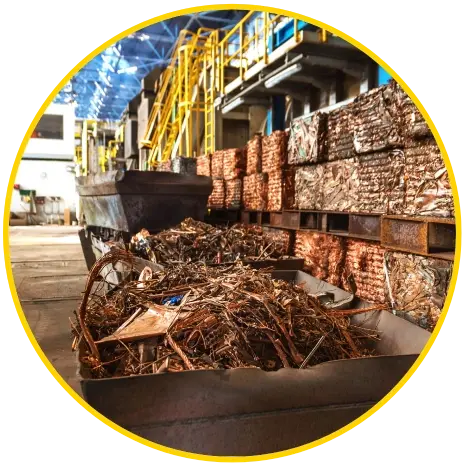






To guide the industry on building green and healthy buildings, various sustainability frameworks have emerged- most notably the American Institute of Architects’ (AIA) 2030 Commitment. The actionable climate strategy gives architectural firms and practitioners a set of standards and goals for reaching net zero emissions in the built environment.
The Human Health category encourages designers to prefer “products that support and foster life throughout their life cycles and seek to eliminate the use of hazardous substances.”
Product manufacturers must consider the materials and substances in their products, as they may present human health hazards and risk of exposure throughout the product lifetime. This often considers the entire life cycle of a product; from the point of raw material extraction, through refining and manufacturing phases, product installation, as well as considerations of a product’s useful lifetime through end-of-life recycling and/or disposal (i.e., full circularity).
The CMF identifies three sub-buckets in this category: Substances (generally, chemical substances); volatile organic compounds (VOCs) and company human health impacts. Additional copper related contributions to the improvement of human and occupant health include lighting and shading controls and active transportation.

The Climate Health category of the Common Materials Framework encourages preferring “products that reduce carbon emissions and sequester more carbon than emitted.”
Beyond product- or material-related emissions, the category recognizes company-level carbon initiatives and reductions, through voluntary reporting programs like the Science Based Targets initiative (SBTi), Carbon Disclosure Project (CDP), and the Global Reporting Initiative (GRI).

The Common Materials Framework encourages materials or products whose design considers its material inputs and end of life streams to “eliminate waste and pollution, circulate products and materials at their highest value, and regenerate nature.”
Instead of utilizing building products and materials for a short time before sending them to landfills, we should find ways to keep them in circulation, and prioritize products designed with circular principles in mind. The CMF identifies five sub-impact categories in this category: Sourcing, End of Life, Packaging, Company Circularity, and Waste.

Social Health and Equity Impacts are the ways that individuals involved in the production or living near production or disposal locations of products and materials are affected by these operations.
Globally, almost 28 million people are held in servitude for forced labor and 160 million children from the ages of five to 17 are subjected to child labor, and construction and manufacturing are the largest industrialized sectors at the highest risk of forced labor (International Labour Organization, 2020, 2022). The extraction, transportation, and manufacturing of building product can impact the lives of people who work and in manufacturing and construction, or live nearby. Products may consider human rights in operations and in supply chains, positively impacting workers and the communities where they operate. CMF guidance prefers products from manufacturers that secure human rights in operations and in supply chains that positively impact workers and the communities where they operate. The CMF identifies three sub-impact categories in this category: Supply Chain, Company Workplace, and Community.
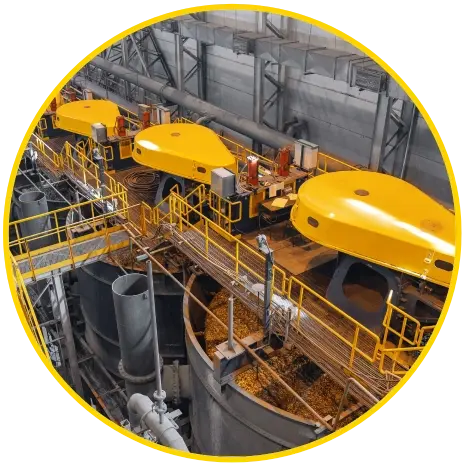
Ecosystem Health Impacts are ways the production of materials affects elements of our natural ecosystems, such as water, air, biodiversity, and wildlife.
While climate change caused by greenhouse gas emissions leads to destruction of natural ecosystems, other byproducts of material production do as well, such as overharvesting, habitat destruction, and air and water pollution. Restoring ecosystem health requires the use of products that renew air, water, and global biological cycles, encouraging more thoughtful supply chain management and restorative company practices. The CMF identifies five sub-impact categories in this category: Pollution, Product Water Footprint, Company Water Footprint, Biodiversity + Conservation, and Life Cycle Environmental Footprints.